Heroin use disorder is a severe form of substance use disorder that develops when someone becomes physically and psychologically dependent on heroin. According to the Substance Abuse and Mental Health Services Administration (SAMHSA), heroin addiction significantly disrupts mental health, relationships and overall daily life, often leading to long-term consequences without professional treatment.
Heroin works by binding to the same opioid receptors in the brain that respond to prescribed opioid pain relievers, but its unregulated potency and rapid impact make it especially dangerous. Over time, heroin addicts develop a tolerance and require higher doses to achieve the same effect, deepening physical dependence and increasing the risk of overdose and death.
An active and informed presence of family, professionals and treatment providers is crucial to addressing this complex addiction and helping individuals reclaim control of his or her life.
Synthesized from morphine; binds opioid receptors
Higher doses needed quickly — overdose risk rises
Muscle aches, vomiting, anxiety and cravings
Confidential admissions support
Heroin is a highly addictive substance synthesized from morphine, typically found as a white or brown powder or as a black sticky substance known as black tar heroin. Often injected, snorted or smoked, heroin quickly enters the brain and binds to opioid receptors, producing intense feelings of euphoria and pain relief.
Because it mimics the effects of prescription opioids but is more potent and unregulated, heroin is particularly dangerous and easy to misuse. Many individuals who begin with prescribed opioid pain relievers eventually transition to heroin due to cost or accessibility. The National Institute on Drug Abuse (NIDA) reports that heroin is among the most addictive substances, and even a short period of use can lead to physical dependence and addiction.
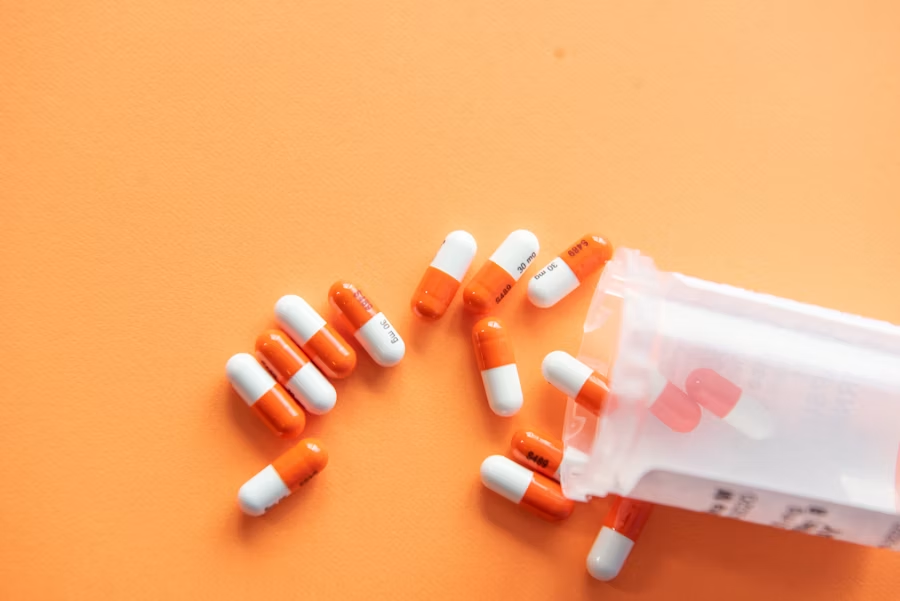
Heroin abuse affects both the mind and body, leading to a range of physical and psychological symptoms. Physical symptoms often include drowsiness, constricted pupils, nausea, slowed breathing and sudden weight loss. Over time, heroin addicts may experience more serious issues such as collapsed veins, frequent infections and sexual dysfunction.
As the brain becomes dependent on the drug, discontinuation can trigger intense heroin withdrawal symptoms — muscle aches, cold or hot flashes, vomiting and restlessness. Psychological symptoms may involve depression, anxiety, poor decision-making and intense drug cravings — all indicators of a substance use disorder.
Risk factors for heroin addiction include prior opioid use, a family history of addiction, untreated mental health conditions and environmental influences.
Heroin addiction is a complex condition that often requires a multi-layered approach to care. At Indiana Behavioral Health we focus on outpatient services that support individuals throughout their recovery journey.
As one of Indiana’s respected heroin addiction treatment centers, our treatment center provides access to evidence-based treatments — including therapy, relapse prevention and clinical treatment for those who qualify. Our programs address the emotional, behavioral and psychological aspects of addiction, offering flexible and compassionate treatment options that help individuals rebuild their lives.
A common first step in heroin addiction treatment is medical detox, a critical process that helps safely manage heroin withdrawal symptoms under 24/7 medical supervision.
Detox programs use evidence-based clinical treatment to alleviate symptoms and reduce discomfort. Clients are closely monitored by addiction counselors, nurses and physicians as withdrawal symptoms arise.
For those needing a highly structured environment, inpatient rehab programs offer immersive treatment for heroin addiction. Clients live onsite while participating in daily therapy, group counseling and relapse prevention planning.
Inpatient care is ideal for individuals with severe addiction or those who have relapsed after previous treatment.
PHP provides a high level of care without full-time residence. Clients attend full-day therapy sessions and treatment activities while returning home in the evenings.
This level of care supports individuals facing intense withdrawal symptoms, cravings or co-occurring disorders while offering a structured routine to promote successful recovery.
Our intensive outpatient program offers a balanced level of support for those who have completed detox or residential care but still require consistent structure.
Clients participate in therapy several times a week, working closely with addiction counselors to develop coping strategies and a relapse prevention plan.
Standard outpatient programs are designed for individuals who need minimal structure but still benefit from professional guidance. Clients receive regular therapy sessions, check-ins with counselors and access to support groups.
A flexible option often used as a step-down level of care or for those with strong natural support systems in place.
Many people struggling with heroin addiction also face underlying mental health conditions such as depression, PTSD or anxiety. Our dual diagnosis program addresses both simultaneously.
Integrating heroin addiction treatment with mental health services gives clients a more holistic approach to healing and improves the chances of long-term sobriety.
Individual therapy offers a confidential space to work one-on-one with a licensed therapist who specializes in heroin addiction and co-occurring mental health conditions. This personalized approach helps clients identify the root causes of substance use, explore emotional triggers and develop strategies to stay on track in recovery. Using methods such as cognitive behavioral therapy (CBT), motivational interviewing and experiential therapy, therapists help clients navigate challenges, process trauma and build a foundation for lasting change.
In group therapy, clients connect with peers who are also in recovery — building mutual support and accountability in a structured therapeutic setting. Sessions are led by trained facilitators and allow participants to share experiences, learn from others and practice new coping strategies. Whether addressing cravings, managing stress or improving communication, group therapy is a powerful tool in heroin addiction treatment and an essential part of long-term success.
Family therapy plays a critical role in repairing relationships and creating a strong support system for clients during and after treatment. Heroin addiction often strains family dynamics, but with professional guidance loved ones can learn how to communicate effectively, set healthy boundaries and provide the right kind of support.When family members are involved in recovery, the chances of successfully pursuing lifelong sobriety are significantly improved.
"*" indicates required fields
We verify benefits with your insurance, usually within hours.
A licensed admissions team member calls back the same day.
We match you with the right level of care and a therapist.
Choosing the right place for recovery can make all the difference when you’re seeking treatment for heroin addiction. At Indiana Behavioral Health we provide compassionate, personalized care rooted in evidence-based practices. Our experienced team understands the complexities of heroin use and tailors each plan to fit the unique needs of every individual.
Plans built for your story, not a template.
CBT, motivational interviewing and proven modalities.
Loved ones brought into the healing process.
Integrated care for addiction & mental health.
Taking the first step toward recovery from heroin addiction can feel overwhelming, but you don’t have to do it alone. Our team offers personalized care focused on therapy, coping skills, relapse-prevention planning and clinical support as you work toward healing.
Whether you’re just beginning your journey to recovery or continuing care after previous treatment, our programs are designed to meet you where you are. Lasting change is possible with the right support — contact Indiana Behavioral Health today.
References:
Substance Abuse and Mental Health Services Administration. Risks of substance use. samhsa.gov/substance-use/learn/risks.
National Institute on Drug Abuse. Heroin DrugFacts. nida.nih.gov/research-topics/heroin.
If you or a loved one is ready to take the first step toward recovery, call (855) 803-0651 or complete our confidential contact form.